UDIENZA CON SUA SANTITA’ BARTOLOMEO I PATRIARCA ECUMENICO DI COSTANTINOPOLI
UDIENZA CON SUA SANTITA’ BARTOLOMEO I PATRIARCA ECUMENICO DI COSTANTINOPOLI
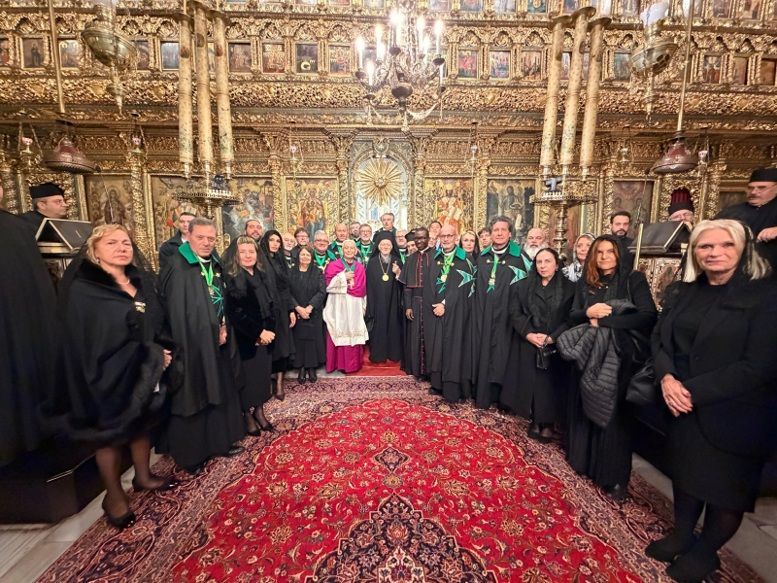
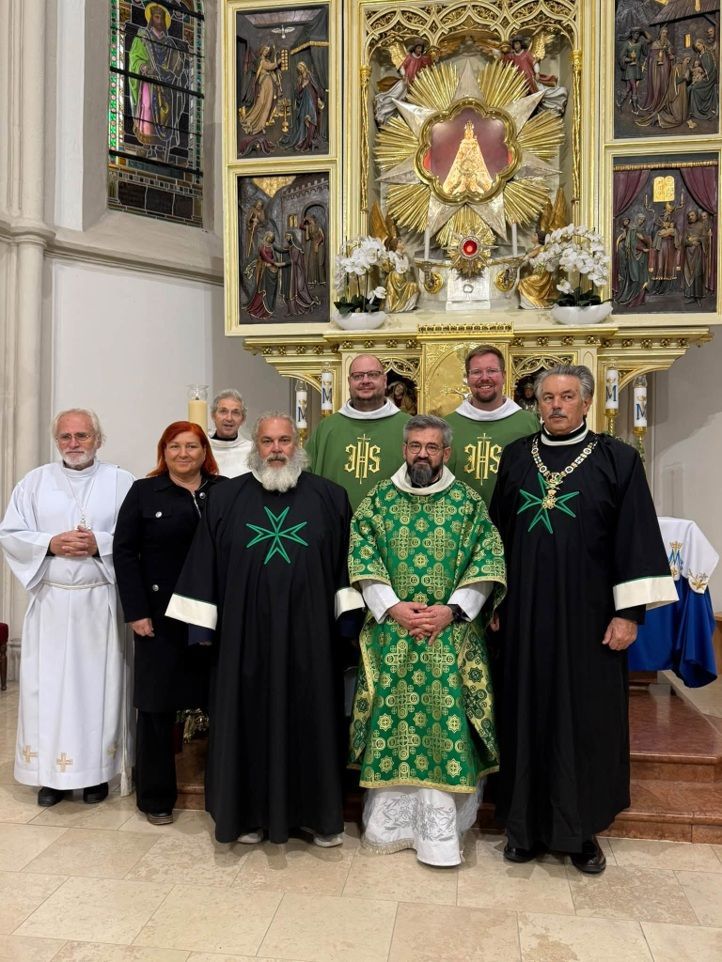
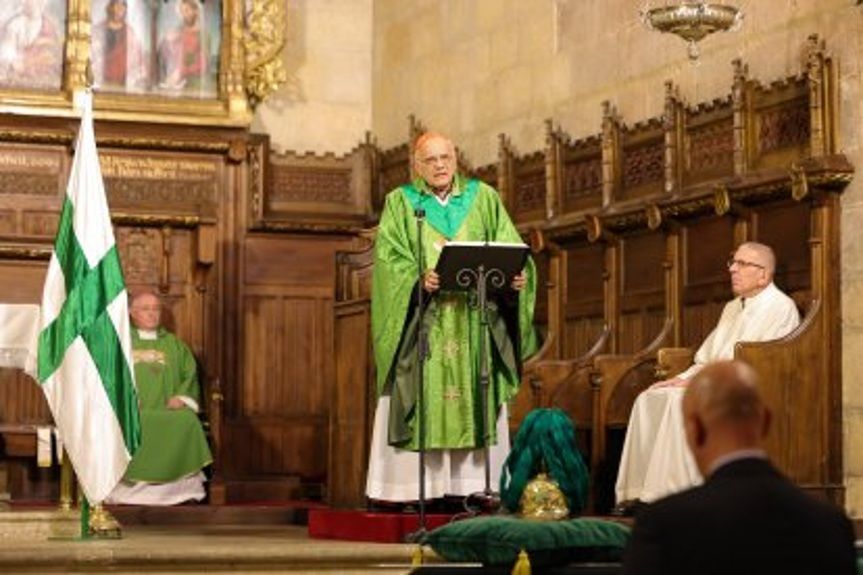
Il 14 novembre 2026 una folta delegazione del Gran Baliato di Sicilia, guidata dal Gran Balì e dal Gran Priore Ecclesiastico emerito, è stata ricevuta in udienza dal Patriarca Ecumenico Bartolomeo I presso la sede del Patriarcato Ecumenico di Costantinopoli; all’udienza, alla quale hanno partecipato le consorti dei cavalieri presenti erano pure presenti il Gran Priore di Slovacchia ed alcuni membri di quel Gran Priorato, nonché un membro del Gran Priorato d’America.
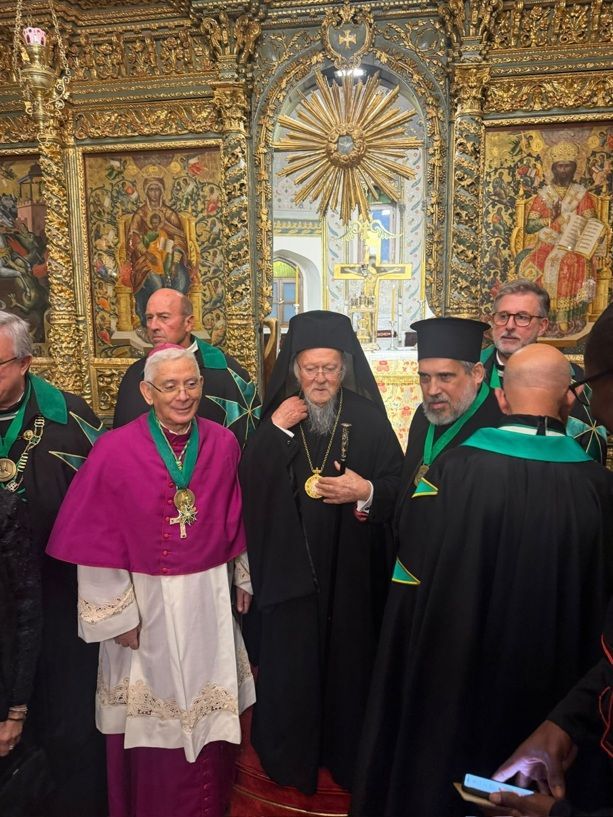
Il Patriarca Ecumenico, rivolgendosi al Gran Balì di Sicilia ed al Gran Priore Ecclesiastico emerito dell’Ordine, ha rivolto ai presenti il seguente indirizzo di saluto:
Eccellenze, Reverendissimi Padri,
Illustrissimo Gran Balì di Sicilia dell’Ordine Militare ed Ospedaliero di San Lazzaro di Gerusalemme e Rappresentanti tutti,
È una grande gioia incontrare questa sera il numeroso gruppo di Pellegrini appartenenti all’Ordine Militare ed Ospedaliero di San Lazzaro di Gerusalemme,
proveniente dalla Sicilia.
Vi accogliamo in questa Cattedrale di San Giorgio in questa prima settimana della Quaresima di Natale, l’Avvento, che ci prepara al grande Mistero della Incarnazione.
Vogliamo manifestarvi la nostra gioia per la visita al nostro Patriarcato Ecumenico, la Santa e Grande Chiesa martire di Cristo che da duemila anni, dalla città di Costantino, testimonia la Resurrezione di Cristo e testimonia il lieto annuncio che ci viene dal Vangelo, nei quattro angoli del mondo. Anche se la storia ha ridotto la presenza dei Cristiani in queste terre, essa continua ad emanare la forza e la profondità della cristologia e della ecclesiologia dei primi secoli, così come formulata dai primi Concili Ecumenici e che sono la base del pensiero teologico delle nostre Chiese. Tormentati dalle circostanze storiche, piegati da tante tribolazioni, pochi nel numero, tuttavia saldi nella fede in Cristo, quella fede che non delude, custodi della tradizione ecclesiologica bi-millenaria, che affida al nostro Primo Trono tra le Chiese Ortodosse, qualità e responsabilità uniche e particolari.
Diletti fratelli e sorelle nel Signore,
Provenite da quella splendida terra che è la Sicilia, una terra che non è lontana per noi. Per secoli, la vostra isola è stata un ponte straordinario tra Oriente e Occidente, un crocevia fecondo in cui la spiritualità greco-bizantina ha messo radici profonde, plasmando la fede, l’arte, la liturgia e la cultura del vostro popolo. Quando pensiamo alla Sicilia bizantina, il nostro sguardo corre subito allo splendore dei mosaici di Monreale, di Cefalù e della Cappella Palatina di Palermo, dove la luce dell’oro racconta la gloria del Risorto secondo i canoni dell’iconografia costantinopolitana.
Ricordiamo con commozione i grandi santi italo-greci che hanno santificato la vostra terra con la preghiera, l’ascesi e la carità: da San Gregorio di Agrigento a San Leone di Catania, da Sant'Agata e Santa Lucia — venerate con immensa devozione anche in tutto l'Oriente ortodosso — fino ai grandi padri del monachesimo siculo-calabrese come San Nilo da Rossano e San Filareto. Il loro esempio ci ricorda che le radici della nostra fede sono comuni e affondano nell'unico Vangelo di Cristo.
Oggi più che mai, il mondo ha bisogno di riscoprire questa vocazione al dialogo e all’incontro che la Sicilia ha incarnato nella sua storia. Come nel Mediterraneo antico le diverse sponde si parlavano attraverso la fede e la bellezza, così oggi siamo chiamati a essere artigiani di pace, di fratellanza e di unità tra i cristiani.
Ma siamo anche stati informati della Vostra opera, che Vi contraddistingue in un
modo tutto particolare, a cui bene si possono applicare le parole del Vangelo: «Signore, ecco, colui che tu ami è malato» (Gv. 11,3). Con queste parole colme di fiducia e di tenerezza, le sorelle di Betania si rivolsero al Salvatore. In questa invocazione è racchiusa l’essenza stessa della vostra vocazione e della missione che portate avanti con dedizione esemplare.
La figura del vostro santo patrono, Lazzaro, amico di Cristo, si erge nella tradizione della Chiesa indivisa come icona vivente della fragilità umana redenta dall’amore divino.
Egli è al contempo il simbolo della sofferenza che invoca compassione e la primizia della risurrezione che vince le tenebre della morte. Onorare oggi l’eredità ospedaliera nata nel XII secolo a Gerusalemme significa comprendere che l’antica milizia cristiana non si combatte con le armi del mondo, ma con la forza trasfigurante della diakonia, il servizio umile e concreto reso al Cristo sofferente nei fratelli più piccoli e vulnerabili.
In questa luce teologica, il vostro impegno quotidiano assume il valore di una vera e propria liturgia dopo la liturgia. Attraverso le opere promosse dalla San Lazzaro O.D.V., il «Progetto Sanità Solidale» a Palermo, il sostegno alle strutture sanitarie in Nigeria e la storica collaborazione con la Fondation Raoul Follereau nella lotta contro la lebbra, voi rendete visibile il Vangelo della misericordia. Prendersi cura del corpo ferito dell’uomo, senza alcuna distinzione di fede o provenienza, equivale a riconoscere in ogni volto umano l’immagine stessa del Creatore.
Altrettanto prezioso agli occhi del Patriarcato Ecumenico è il carisma dell’unità che anima il Gran Baliato di Sicilia. Nella preghiera sacerdotale prima della Passione, il Signore ha chiesto al Padre, che tutti i suoi discepoli siano una cosa sola, «affinché il mondo creda» (Gv. 17,21). L’ecumenismo non è un mero esercizio diplomatico o filantropico, bensì un imperativo teologico che scaturisce dal nostro comune Battesimo e dalla fedeltà al mandato evangelico.
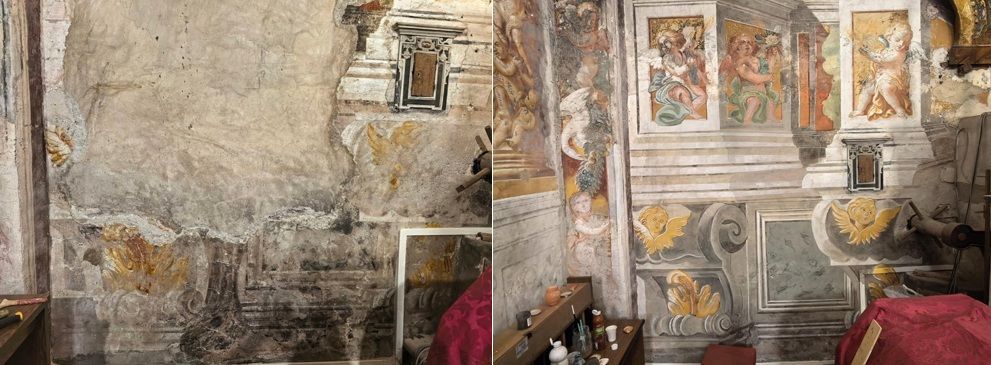
Desideriamo esprimere il nostro più vivo apprezzamento per il modo in cui traducete questo ideale in realtà vissuta: dalla composizione stessa del vostro Consiglio Spirituale Ecumenico, che riunisce pastori e rappresentanti delle diverse confessioni cristiane, fino alla fraterna ospitalità offerta alle comunità ortodosse nella storica Chiesa Capitolare del Sacro Cuore di Monreale, luogo in cui anche l’arte sacra restaurata torna a parlare il linguaggio universale della bellezza e della fede.
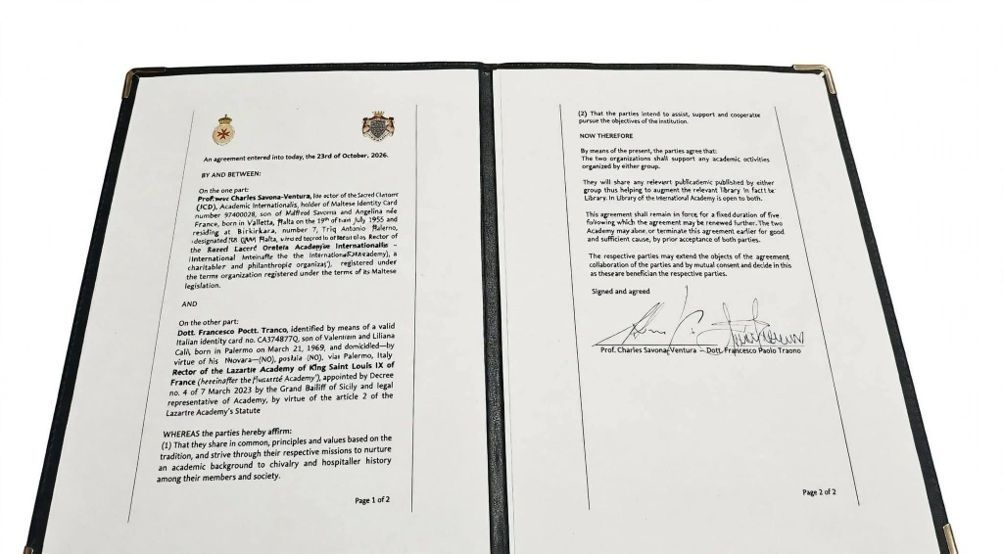
Particolare lode merita, infine, l’opera culturale e scientifica dell’Accademia Lazzarita di Re San Luigi IX di Francia e la lungimirante convenzione con la Facoltà Teologica di Sicilia «San Giovanni Evangelista». L’istituzione delle cattedre dedicate all’Ecumenismo e alla Teologia Orientale, unitamente al dialogo accademico internazionale, testimonia che la carità della verità e la verità della carità devono sempre camminare insieme. La conoscenza reciproca delle rispettive tradizioni teologiche e liturgiche è infatti la via maestra per superare i pregiudizi della storia e riscoprire la ricchezza dell’unico patrimonio apostolico.
Nel ringraziarvi per la vostra testimonianza di fede operosa e di amore per l’unità
della Chiesa, invochiamo su Sua Eccellenza il Gran Balì, e su tutto l’Ordine Militare ed Ospedaliero di San Lazzaro di Gerusalemme e su quanti beneficiano delle vostre opere, l’abbondanza dei doni dello Spirito Santo, affinché possiate proseguire il vostro cammino Atavis et Armis, saldi nella fede dei Padri e forti nelle armi della luce e della pace.
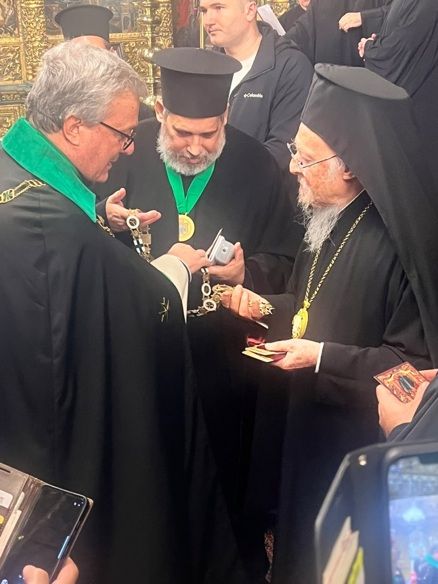
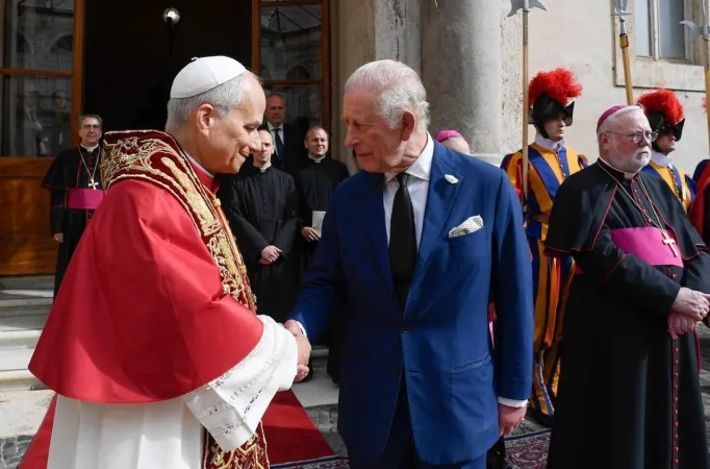
Alla fine del saluto il Gran Balì di Sicilia, su delega del Gran Maestro, ha conferito a Sua Santità il Gran Collare dell’Ordine, riservato ai capi di Stato, ai capi delle Famiglie reali ed a personalità di altissimo rango.
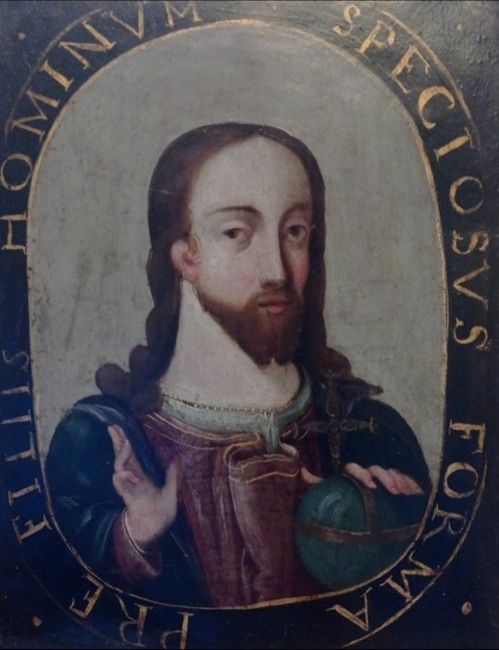
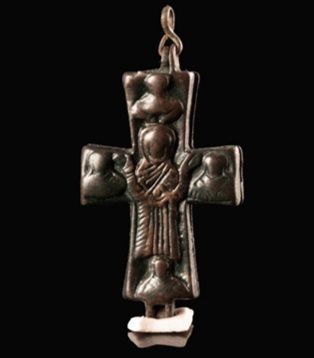
Il Gran Balì ha consegnato, poi, i doni del Gran Baliato al Patriarca: un Enkolpion bizantino in bronzo datato tra l’8° ed il 10° secolo d.C. ed un Salvator Mundi del 17° secolo, di scuola spagnola, olio su rame, oltre a due volumi dei quali uno relativo ai Monasteri ed Eremi di Sicilia e Malta, e l’altro sulla Chiesa Capitolare dell’Ordine a Monreale.
Infine, il Magnifico Rettore dell’Accademia Lazzarita San Luigi IX Re di Francia ha consegnato al Patriarca la Medaglia di Accademico d’onore.
AUDIENCE WITH HIS HOLINESS BARTHOLOMEW I ECUMENICAL PATRIARCH OF CONSTANTINOPLE
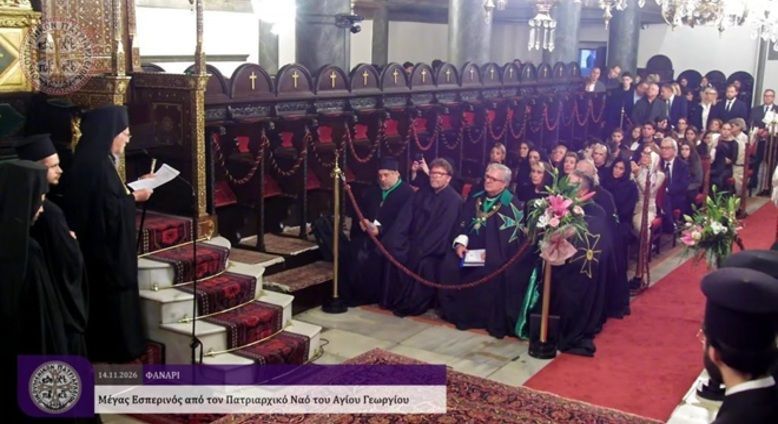
On 14 November 2026, a large delegation from the Grand Bailiwick of Sicily, led by the Grand Bailiff and the Ecclesiastical Grand Prior Emeritus, was received in audience by the Ecumenical Patriarch Bartholomew I at the headquarters of the Ecumenical Patriarchate of Constantinople; The Grand Prior of Slovakia and some members of that Grand Priory, as well as a member of the Grand Priory of America, were also present at the hearing, which was attended by the consorts of the knights present.
The Ecumenical Patriarch, addressing the Grand Bailiff of Sicily and the Ecclesiastical Grand Prior Emeritus of the Order, addressed the following greeting to those present:
Excellencies, Most Reverend Fathers,
Most Illustrious Grand Bailiff of Sicily of the Military and Hospitaller Order of San Lazzaro di Gerusalemme and all Representatives,
It is a great joy to meet this evening the large group of pilgrims belonging to the Military and Hospitaller Order of Saint Lazarus of Jerusalem,
coming from Sicily.
We welcome you to this Cathedral of St. George in this first week of Christmas Lent, Advent, which prepares us for the great Mystery of the Incarnation.
We want to express to you our joy for the visit to our Ecumenical Patriarchate, the Holy and Great Martyr Church of Christ which for two thousand years, from the city of Constantine, has witnessed the Resurrection of Christ and bears witness to the happy announcement that comes to us from the Gospel, in the four corners of the world. Even if history has reduced the presence of Christians in these lands, it continues to emanate the strength and depth of the Christology and ecclesiology of the first centuries, as formulated by the first Ecumenical Councils and which are the basis of the theological thought of our Churches. Tormented by historical circumstances, bent by many tribulations, few in number, nevertheless steadfast in faith in Christ, that faith that does not disappoint, custodians of the two-thousand-year-old ecclesiological tradition, which entrusts to our First Throne among the Orthodox Churches, unique and particular qualities and responsibilities.
Beloved brothers and sisters in the Lord,
You come from that splendid land that is Sicily, a land that is not far away for us. For centuries, your island has been an extraordinary bridge between East and West, a fruitful crossroads where Greek-Byzantine spirituality has taken deep root, shaping the faith, art, liturgy and culture of your people. When we think of Byzantine Sicily, our gaze immediately turns to the splendor of the mosaics of Monreale, Cefalù and the Palatine Chapel in Palermo, where the light of gold tells of the glory of the Risen One according to the canons of Constantinopolitan iconography.
We remember with emotion the great Italian-Greek saints who sanctified your land with prayer, asceticism and charity: from San Gregorio of Agrigento to San Leone of Catania, from Sant'Agata and Santa Lucia - venerated with immense devotion also throughout the Orthodox East - up to the great fathers of Sicilian-Calabrian monasticism such as San Nilo da Rossano and San Filareto. Their example reminds us that the roots of our faith are common and lie in the one Gospel of Christ.
Today more than ever, the world needs to rediscover this vocation to dialogue and encounter that Sicily has embodied in its history. Just as in the ancient Mediterranean the different shores spoke to each other through faith and beauty, so today we are called to be artisans of peace, brotherhood and unity among Christians.
But we have also been informed of your work, which distinguishes you in a
very particular way, to which the words of the Gospel can be well applied: "Lord, behold, the one you love is sick" (Jn. 11.3). With these words full of trust and tenderness, the sisters of Bethany turned to the Savior. This invocation contains the very essence of your vocation and the mission that you carry out with exemplary dedication.
The figure of your patron saint, Lazarus, friend of Christ, stands in the tradition of the undivided Church as a living icon of human frailty redeemed by divine love.
He is at the same time the symbol of suffering that calls for compassion and the first fruits of the resurrection that conquers the darkness of death. Honoring today the hospitaller legacy born in the 12th century in Jerusalem means understanding that the ancient Christian militia is not fought with the weapons of the world, but with the transfiguring force of diakonia, the humble and concrete service rendered to the suffering Christ in the smallest and most vulnerable brothers.
In this theological light, your daily commitment takes on the value of a true liturgy after the liturgy. Through the works promoted by the San Lazzaro O.D.V., the "Solidarity Health Project" in Palermo, the support for health facilities in Nigeria and the historic collaboration with the Raoul Follereau Foundation in the fight against leprosy, you make the Gospel of mercy visible.
Caring for the wounded human body—regardless of faith or origin—is tantamount to recognizing the very image of the Creator in every human face.
Equally precious in the eyes of the Ecumenical Patriarchate is the charism of unity that animates the Grand Bailiwick of Sicily. In His priestly prayer before the Passion, the Lord asked the Father that all His disciples might be one, "so that the world may believe" (John 17:21). Ecumenism is not merely a diplomatic or philanthropic exercise; rather, it is a theological imperative that springs from our shared Baptism and our fidelity to the Gospel mandate.
We wish to express our deepest appreciation for the way in which you translate this ideal into a lived reality: from the very composition of your Ecumenical Spiritual Council—which brings together pastors and representatives from various Christian confessions—to the fraternal hospitality extended to Orthodox communities within the historic Capitular Church of the Sacred Heart in Monreale, a place where restored sacred art once again speaks the universal language of beauty and faith.
Finally, the cultural and scholarly work of the Lazzarite Academy of King Saint Louis IX of France, along with the far-sighted agreement established with the "Saint John the Evangelist" Theological Faculty of Sicily, deserves special praise. The creation of academic chairs dedicated to Ecumenism and Eastern Theology, combined with international academic dialogue, bears witness to the fact that the charity of truth and the truth of charity must always go hand in hand. A mutual understanding of our respective theological and liturgical traditions is, in truth, the primary path toward overcoming historical prejudices and rediscovering the richness of our singular apostolic heritage. While thanking you for your witness of active faith and love for the unity of the Church, we invoke upon His Excellency the Grand Bailiff, upon the entire Military and Hospitaller Order of Saint Lazarus of Jerusalem, and upon all those who benefit from your works, an abundance of the gifts of the Holy Spirit—so that you may continue your journey *Atavis et Armis*, steadfast in the faith of the Fathers and strong in the arms of light and peace.
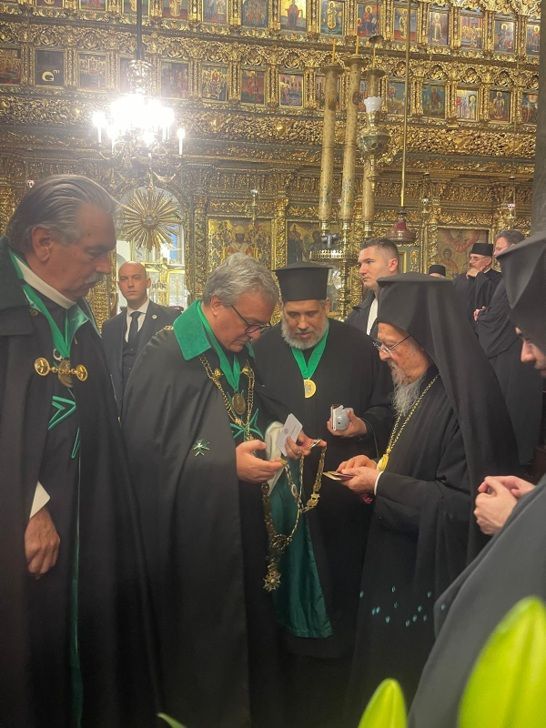
At the conclusion of the address, the Grand Bailiff of Sicily, acting on behalf of the Grand Master, conferred upon His Holiness the Grand Collar of the Order—an honor reserved for Heads of State, heads of Royal Houses, and individuals of the highest rank.
The Grand Bailiff then presented the Grand Bailiwick’s gifts to the Patriarch: a Byzantine bronze *enkolpion* (pectoral medallion) dating from between the 8th and 10th centuries AD, and a 17th-century *Salvator Mundi*—an oil-on-copper painting from the Spanish school—along with two volumes: one concerning the monasteries and hermitages of Sicily and Malta, and the other focusing on the Order’s Capitular Church in Monreale.
Finally, the Magnificent Rector of the Saint Louis IX, King of France, Lazarite Academy presented the Patriarch with the medal of an Honorary Academician.
Iscriviti alla nostra Newsletter
News Ordine di San Lazzaro di Gerusalemme – Gran Baliato di Sicilia