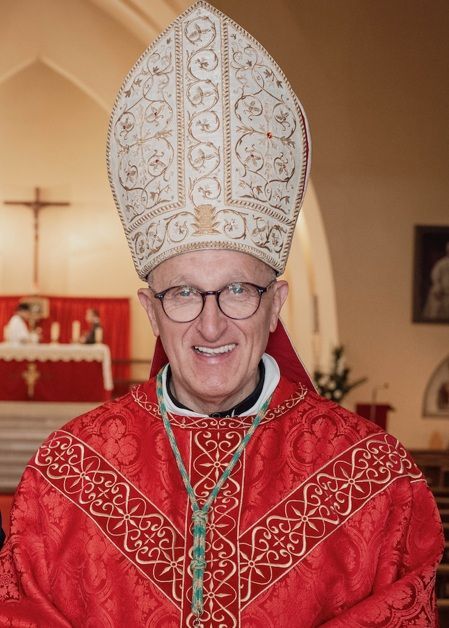
PROCLAMATO BEATO L’ARCIVESCOVO FULTON JOHN SHEEN MEMBRO ECCLESIASTICO DELL’ORDINE DI SAN LAZZARO
PROCLAMATO BEATO L’ARCIVESCOVO FULTON JOHN SHEEN MEMBRO ECCLESIASTICO DELL’ORDINE DI SAN LAZZARO
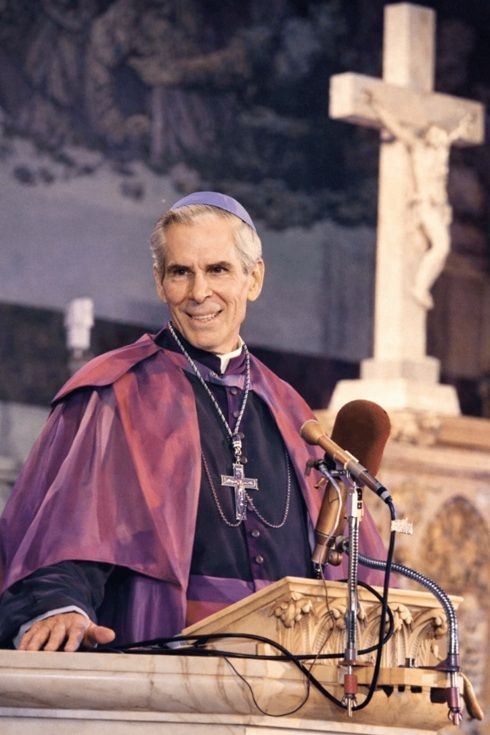
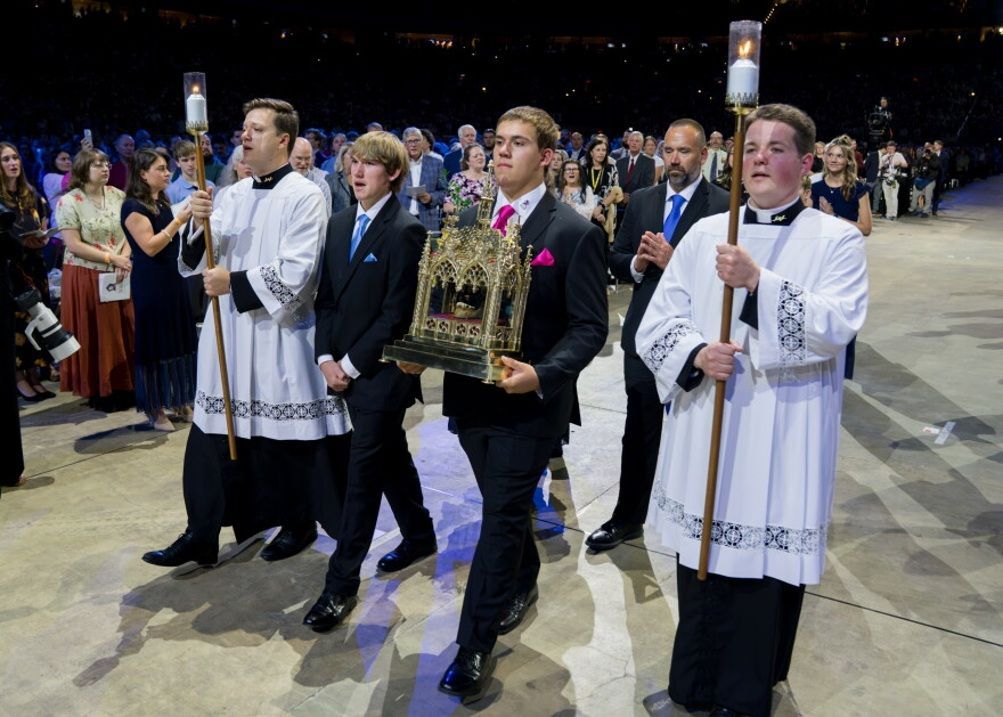
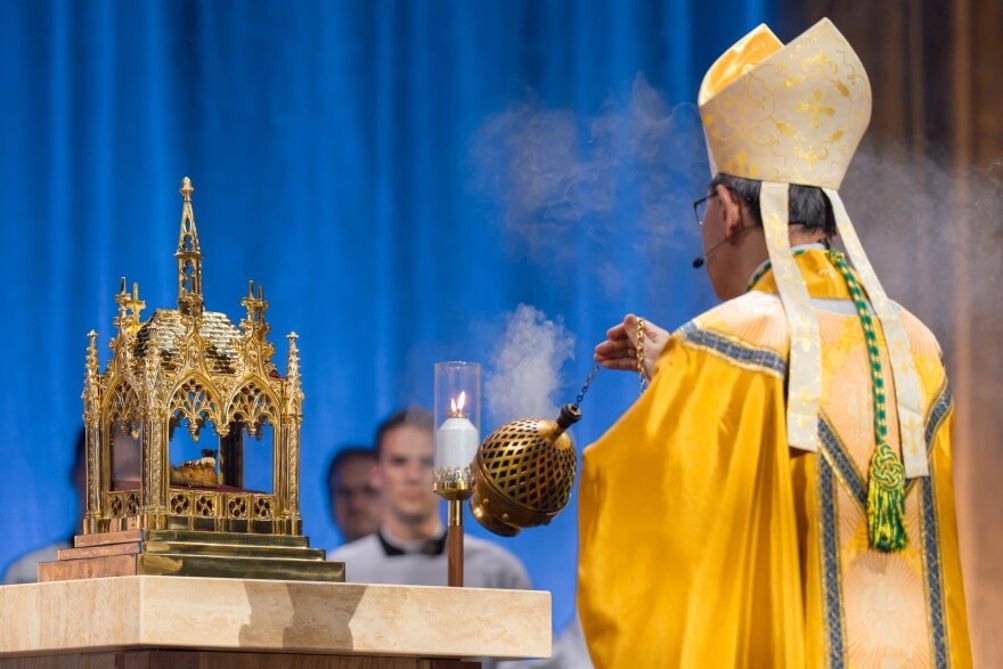
L’arcivescovo Fulton John Sheen, membro ecclesiastico dell’Ordine di San Lazzaro di Gerusalemme, è stato proclamato beato giovedì 24 settembre 2026 a Saint Louis, nello Stato americano del Missouri.
Nato in Illinois nel 1895 e morto a New York nel 1979, Sheen ha ricoperto molti
incarichi, tra i quali quello di direttore nazionale della Società per la Propagazione della Fede nel 1950-66 e ha partecipato a ogni sessione del Concilio Vaticano II.
Nominato vescovo ausiliare di New York nel 1951 da Pio XII, Sheen diventa una figura di riferimento nazionale. Ma la sua popolarità più vasta è legata alla sua attività come “televangelista”. Il suo programma, Life is Worth Living, (La vita merita di essere vissuta) andata in onda negli Stati Uniti dal 1951 al 1957, ha conquistato milioni di ascoltatori, tanto da ottenere un premio Emmy. La sua capacità di comunicare il messaggio cristiano a un pubblico interreligioso e secolare è stata straordinaria: parlava a cattolici, protestanti, ebrei e non credenti…
La sua predicazione e la sua scrittura affrontavano infatti questioni religiose ma anche temi legati alla cultura moderna, alla filosofia, alla morale e alla società. E questo gli ha conquistato l’attenzione di un pubblico sempre più vasto, non costituito solo di fedeli. Ha individuato e descritto perfettamente le ferite dell’uomo contemporaneo: la solitudine, la ricerca frenetica del senso e la tentazione di sostituire Dio, con l’ego e l’ideologia. Diceva: “La vera libertà non consiste nel fare ciò che si vuole, ma nel potere di fare ciò che si deve”.
Il 28 maggio del 1951 Pio XII nominò Fulton Sheen vescovo ausiliare di New York, per partecipare, poi, anche al Concilio Vaticano II (1962 -1965). Paolo VI il 6 ottobre del 1969 gli conferisce il titolo di Arcivescovo titolare di Newport.
Il 21 settembre 1972, l'allora Balì del Gran Priorato degli Stati Uniti dell'Ordine Militare e Ospedaliero di San Lazzaro di Gerusalemme, il Cavaliere Hans von Leden, propose l'Arcivescovo Sheen per l'ammissione nell’Ordine, descrivendolo come "uno dei più noti ecclesiastici, scrittori e oratori degli Stati Uniti". L'Arcivescovo Sheen aveva conosciuto gli obiettivi dell'Ordine durante una riunione del Consiglio Gran Magistrale Americano e, nonostante l'età avanzata (77 anni), aveva accettato l'invito a intervenire come oratore a una cena di beneficenza e alla cerimonia di investitura. Fu ammesso al rango di Gran Croce nel settembre del 1972.
Nonostante le sue precarie condizioni di salute, il 2 ottobre del 1979 desidera con tutto il cuore incontrare Giovanni Paolo II in visita negli Stati Uniti, in tale occasione Fulton Sheen giunse in ambulanza nella Cattedrale di New York. Muore qualche due mesi circa più tardi, il 9 dicembre del 1979 a Manhattan e le sue spoglie si trovano nella cattedrale di Peoria.
Negli anni, egli fece notevoli sforzi per cercare un terreno teologico comune con i cristiani delle chiese non cattoliche, sia ortodosse orientali che protestanti. Ha spesso elogiato il protestantesimo per quanto concerne lo studio Biblico: «Il primo argomento di tutti da studiare è la Scrittura, e questo richiede non solo la sua lettura, ma lo studio dei commenti. [...] I commenti protestanti, ho scoperto, erano anche particolarmente interessanti perché i protestanti hanno trascorso più tempo sulla Scrittura della maggior parte di noi»
ARCHBISHOP FULTON JOHN SHEEN, ECCLESIASTICAL MEMBER OF THE ORDER OF SAINT LAZARUS PROCLAIMED BLESSED
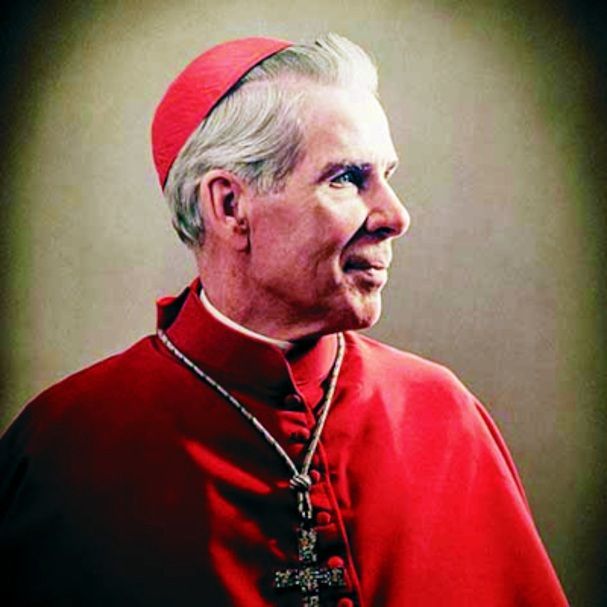
Archbishop Fulton John Sheen, ecclesiastical member of the Order of Saint Lazarus of Jerusalem, was proclaimed blessed on Thursday 24 September 2026 in Saint Louis, in the US state of Missouri.
Born in Illinois in 1895 and dying in New York in 1979, Sheen covered many
positions, including that of national director of the Society for the Propagation of the Faith in 1950-66 and participated in every session of the Second Vatican Council.
Appointed auxiliary bishop of New York in 1951 by Pius XII, Sheen became a national figure of reference. But his wider popularity is linked to his activity as a "televangelist". His program, Life is Worth Living, aired in the United States from 1951 to 1957 and won millions of listeners, earning him an Emmy award. His ability to communicate the Christian message to an interreligious and secular audience was extraordinary: he spoke to Catholics, Protestants, Jews and non-believers…
His preaching and writing addressed religious issues but also themes related to modern culture, philosophy, morality and society. And this has won him the attention of an increasingly wider audience, not just the faithful. He identified and perfectly described the wounds of contemporary man: loneliness, the frenetic search for meaning and the temptation to replace God with the ego and ideology. He said: “True freedom does not consist in doing what you want, but in the power to do what you must.”
On May 28, 1951, Pius XII appointed Fulton Sheen auxiliary bishop of New York, to then also participate in the Second Vatican Council (1962 -1965). Paul VI gave him the title of Titular Archbishop of Newport on 6 October 1969.
On September 21, 1972, the then Bailiff of the United States Grand Priory of the Military and Hospitaller Order of St. Lazarus of Jerusalem, Knight Hans von Leden, proposed Archbishop Sheen for admission into the Order, describing him as "one of the best-known clergymen, writers and orators in the United States." Archbishop Sheen had learned about the objectives of the Order during a meeting of the American Grand Magistral Council and, despite his advanced age (77 years), had accepted the invitation to speak as a speaker at a charity dinner and at the investiture ceremony. He was admitted to the rank of Grand Cross in September 1972.
Despite his precarious health conditions, on 2 October 1979 he wholeheartedly desired to meet John Paul II on a visit to the United States, on this occasion Fulton Sheen arrived by ambulance at New York Cathedral. He died a few months later, on December 9, 1979 in Manhattan and his remains are found in Peoria Cathedral.
Over the years, he made considerable efforts to seek common theological ground with Christians of non-Catholic churches, both Eastern Orthodox and Protestant. He often praised Protestantism as it pertains to Biblical study: «The first subject of all to be studied is Scripture, and this requires not only its reading, but the study of the commentaries. [...] The Protestant commentaries, I found, were also particularly interesting because Protestants spent more time on Scripture than most of us."
Iscriviti alla nostra Newsletter
News Ordine di San Lazzaro di Gerusalemme – Gran Baliato di Sicilia