29 LUGLIO 2026 - FESTA DI SAN LAZZARO DI BETANIA TITOLARE DELL’ORDINE
29 LUGLIO 2026 - FESTA DI SAN LAZZARO DI BETANIA TITOLARE DELL’ORDINE
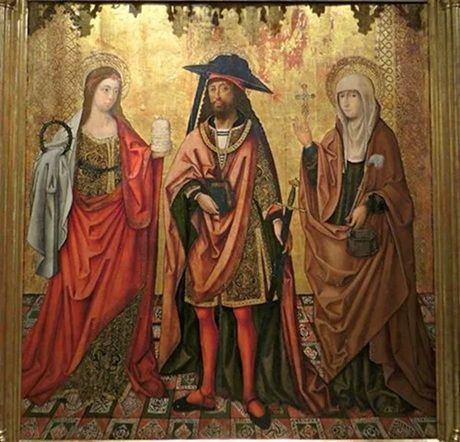
(I Santi Marta, Lazzaro e Maria - dipinto di un maestro spagnolo - 1480 – 1500, Valencia Museo Lázaro Galdiano, Madrid)
Lazzaro e le sue sorelle, Marta e Maria, erano amici fraterni di Gesù di Nazareth. Vivevano a Betania, a circa tre miglia da Gerusalemme, e Gesù era spesso loro ospite. L’affetto che Gesù nutriva per l’amico è testimoniato dalle parole che Marta e Maria mandano a dirgli chiamandolo al capezzale del fratello, riportate nel Vangelo di Giovanni: “Signore, ecco, colui che tu ami è malato”. E poi ancora, all’arrivo di Gesù, apparentemente giunto troppo tardi per salvarlo, “Se tu fossi stato qui,” dice Marta, “mio fratello non sarebbe morto”. Ma anche i testimoni dell’episodio, notando il turbamento di Gesù e le sue lacrime davanti al sepolcro chiuso dell’amico, mormorano tra loro “Vedi quanto lo amava” (cf. Gv 11,3.21.36).
I riferimenti all’affetto di Gesù per Lazzaro hanno fatto ritenere ad alcuni plausibile l’identificazione del “discepolo che Gesù amava”, invece che con San Giovanni Evangelista (come abitualmente accettato), con l’amico Lazzaro.
L’episodio della resurrezione di Lazzaro, che è narrato solo nel Vangelo di Giovanni, ha naturalmente un valore profetico e simbolico, perché preannuncia la Resurrezione di Cristo. La casa di Betania e il sepolcro vuoto di Lazzaro divennero presto, sin dai primi tempi del cristianesimo, meta di pellegrinaggi alla vigilia della domenica delle Palme, come attesta San Girolamo, e in epoca medievale accanto alla tomba di Lazzaro sarebbe stato fondato un monastero che poteva contare sulla protezione dello stesso Carlo Magno.
Il racconto di Giovanni prosegue raccontando che l’episodio della resurrezione di Lazzaro fece sì che molti dei presenti al miracolo si convertissero e credessero in Gesù. Questo fece aumentare il clima di sospetto e di odio nei confronti di Gesù da parte dei sommi sacerdoti e dei farisei, che vedevano in Lui un pericoloso sobillatore. Inoltre, quando Lazzaro presenziò ad un banchetto in onore di Gesù, decisero di uccidere anche lui, perché molta gente era accorsa per vederlo e aveva creduto che Gesù era il Figlio di Dio.
Secondo la tradizione orientale, Lazzaro, dopo la Morte e Resurrezione di Gesù, si sarebbe trasferito a Cipro e ne sarebbe stato vescovo per trent’anni. Questa tradizione è suffragata dal ritrovamento a Kition, l’odierna Larnaca, nell’anno 890, di una lapide su cui erano incise queste parole: “Lazzaro, l’amico di Cristo”. Le reliquie furono in seguito trasferite a Costantinopoli per ordine dell’imperatore Leone VI il filosofo, e infine in Francia ad opera dei Crociati. Tuttavia il trasferimento delle reliquie potrebbe essere stato solo parziale, perché nel 1972 venne rinvenuta a Larnaca un’arca di marmo contenente reliquie che si attribuiscono allo stesso Lazzaro.
Un’altra versione della storia vuole invece che Lazzaro, Marta, Maria e un certo Massimo venissero imbarcati su una barca senza remi, né vele, né timone e che questa barca avesse raggiunto le coste della Francia meridionale. Questa versione entra a far parte anche della “Leggenda Aurea” di Jacopo da Varagine che racconta che Lazzaro e le sue sorelle sarebbero andati a predicare in Francia, dove Lazzaro sarebbe divenuto il primo vescovo di Marsiglia. Qui sarebbe stato martirizzato sotto la persecuzione dell’imperatore Nerone.
Papa Francesco ha autorizzato la Congregazione del Culto Divino e la Disciplina dei Sacramenti a iscrivere nel Calendario Romano Generale la memoria di San Lazzaro insieme a quella delle sorelle Marta e Maria, che viene celebrata il 29 luglio. Finora nel Calendario Romano Generale figurava la memoria della sola Marta.
“La tradizionale incertezza della Chiesa latina – spiega nel decreto il Cardinale Sarah – circa l’identità di Maria che decise l’iscrizione della sola Marta il 29 luglio nel Calendario Romano, ha trovato soluzione in studi e tempi recenti, come attestato dall’odierno Martirologio Romano che commemora in quello stesso giorno anche Maria e Lazzaro. Inoltre, in alcuni Calendari particolari i tre fratelli sono celebrati insieme in tale giorno”.
Sottolineando la loro importante testimonianza evangelica il Papa ha disposto che il 29 luglio figuri nel Calendario Romano Generale la memoria dei santi Marta, Maria e Lazzaro.
29 JULY 2026 - SOLEMNITY OF SAINT LAZARUS OF BETHANY HOLDER OF THE ORDER
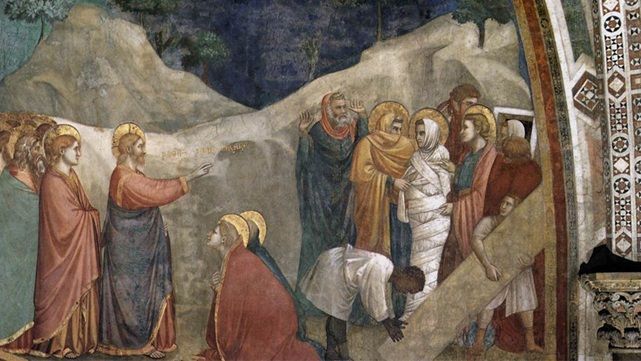
(Giotto, Lower Church of Assisi, 1290-1296, Scenes from the Life of Mary Magdalene Resurrection of Lazarus)
Lazarus and his sisters, Martha and Mary, were close friends of Jesus of Nazareth. They lived in Bethany, about three miles from Jerusalem, and Jesus was often their guest. The affection Jesus felt for his friend is evidenced by the words Martha and Mary send to him, calling him to their brother's bedside, recorded in the Gospel of John: "Lord, behold, he whom you love is sick." And again, upon Jesus' arrival, apparently too late to save him, Martha says, "If you had been here, my brother would not have died." But even the witnesses to the episode, noting Jesus' distress and his tears before his friend's closed tomb, murmur among themselves, "See how much he loved him!" (cf. Jn 11:3, 21, 36).
References to Jesus' affection for Lazarus have led some to believe it plausible to identify the "disciple whom Jesus loved" with his friend Lazarus, rather than with St. John the Evangelist (as is commonly accepted).
The episode of Lazarus's resurrection, which is narrated only in the Gospel of John, naturally has prophetic and symbolic value, foreshadowing the Resurrection of Christ. The house in Bethany and the empty tomb of Lazarus quickly became, from the earliest days of Christianity, a destination for pilgrimages on the eve of Palm Sunday, as St. Jerome attests, and in the Middle Ages, a monastery was founded next to Lazarus's tomb, which could count on the protection of Charlemagne himself.
John's account continues by recounting that the episode of Lazarus's resurrection caused many of those present at the miracle to convert and believe in Jesus. This increased the climate of suspicion and hatred toward Jesus among the chief priests and Pharisees, who saw him as a dangerous troublemaker. Furthermore, when Lazarus attended a banquet in honor of Jesus, they decided to kill him too, because many people had flocked to see him and believed that Jesus was the Son of God.
According to Eastern tradition, Lazarus, after the death and resurrection of Jesus, moved to Cyprus and served as its bishop for thirty years. This tradition is supported by the discovery in Kition, now Larnaca, in 890, of a tombstone inscribed with these words: "Lazarus, the friend of Christ." The relics were later transferred to Constantinople by order of Emperor Leo VI the Philosopher, and finally to France by the Crusaders. However, the transfer of the relics may have been only partial, as in 1972 a marble casket containing relics attributed to Lazarus himself was discovered in Larnaca.
Another version of the story claims that Lazarus, Martha, Mary, and a certain Maximus were embarked on a boat without oars, sails, or a rudder, and that this boat reached the coasts of southern France. This version is also part of Jacobus de Voragine's "Golden Legend," which recounts that Lazarus and his sisters went to preach in France, where Lazarus became the first bishop of Marseille. There, he was martyred under the persecution of Emperor Nero.
Pope Francis has authorized the Congregation for Divine Worship and the Discipline of the Sacraments to inscribe the memorial of Saint Lazarus in the General Roman Calendar, along with that of his sisters Martha and Mary, which is celebrated on July 29. Until now, the General Roman Calendar had only included the memorial of Martha.
"The traditional uncertainty of the Latin Church," Cardinal Sarah explains in the decree, "regarding the identity of Mary, which decided to inscribe only Martha on July 29 in the Roman Calendar, has been resolved in recent studies, as attested by the current Roman Martyrology, which also commemorates Mary and Lazarus on that same day. Furthermore, in some particular calendars, the three brothers are celebrated together on that day."
Emphasizing their important evangelical witness, the Pope has ordered that July 29 be included in the General Roman Calendar as the memorial of Saints Martha, Mary, and Lazarus.
Iscriviti alla nostra Newsletter
News Ordine di San Lazzaro di Gerusalemme – Gran Baliato di Sicilia