DONATA AL VESCOVO RAFFAELE DE ANGELIS EPARCA DI PIANA DEGLI ALBANESI UN ENKOLPION IN BRONZO BIZANTINO (VIII – XII SEC.)
DONATA AL VESCOVO RAFFAELE DE ANGELIS EPARCA DI PIANA DEGLI ALBANESI UN ENKOLPION IN BRONZO BIZANTINO (VIII – XII SEC.)
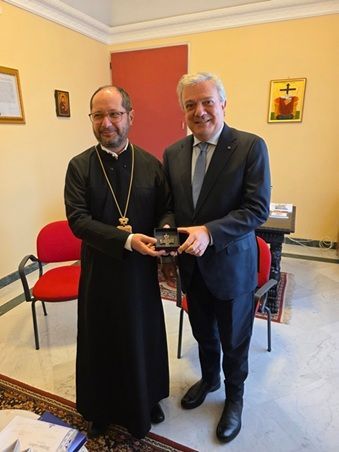
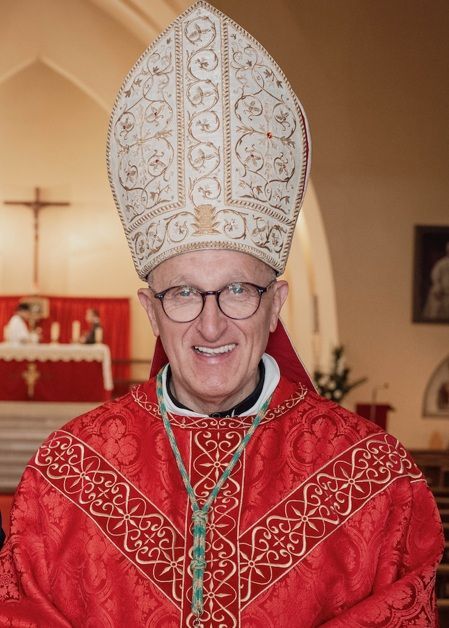
Il Gran Baliato di Sicilia, in occasione della Pasqua, ha donato a Mons. Raffaele De Angelis, il quale ha iniziato il suo ministero episcopale nello scorso mese di novembre, un enkolpion cruciforme in bronzo, bizantino, risalente al periodo tra l’VIII ed il XII secolo.
Il pezzo proviene dalla Ifergan Gallery di Malaga ed è stato acquistato ed esportato con l’autorizzazione del Ministero della Cultura Spagnolo.
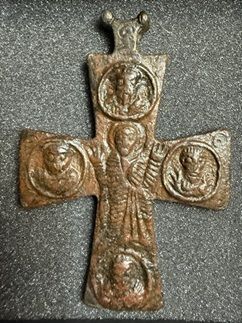
La Vergine Maria appare sulla croce raffigurata in posizione di preghiera (con le mani sollevate in preghiera) ed i quattro cerchi sulle braccia della croce rappresentano i quattro evangelisti. Questo tipo di croci è chiamato encolpion o enkolpion ed in origene consistevano di due metà unite da una cerniera per conservare piccole reliquie o documenti di preghiera al loro interno.
Questi pezzi venivano prodotti nei centri urbani dell'impero Bizantino e costituivano oggetti molto comuni di devozione personale, usati come pendenti per la protezione spirituale. Esempi simili sono stati rinvenuti in luoghi come il monastero di Sant Pere de Rodes (VI-VIII secolo) e attualmente conservati in musei quali quello di Gerona e il MET a New York.
A BYZANTINE BRONZE ENKOLPION (8TH – 12TH CENTURY) DONATED TO BISHOP RAFFAELE DE ANGELIS, EPARCA OF PIANA DEGLI ALBANESI
For Easter, the Grand Bailiwick of Sicily donated to Archbishop Raffaele De Angelis, who began his episcopal ministry last November, a Byzantine bronze cruciform enkolpion dating back to the period between the 8th and 12th centuries.
The piece comes from the Ifergan Gallery in Malaga and was purchased and exported with the authorization of the Spanish Ministry of Culture.
The Virgin Mary appears on the cross depicted in a prayer position (with her hands raised in prayer), and the four circles on the arms of the cross represent the four evangelists. This type of cross is called an encolpion or enkolpion and in ancient times consisted of two halves joined by a hinge to hold small relics or prayer books.
These pieces were produced in the urban centers of the Byzantine Empire and were very common objects of personal devotion, used as pendants for spiritual protection. Similar examples have been found in places such as the monastery of Sant Pere de Rodes (6th-8th century) and are currently preserved in museums such as the one in Gerona and the MET in New York.
Iscriviti alla nostra Newsletter
News Ordine di San Lazzaro di Gerusalemme – Gran Baliato di Sicilia